A quiet transformation is underway within the global fixtures industry, centered on the basin mixer faucet factory. As a core component of both residential bathrooms and commercial washrooms, the demand for this product continues to grow, pushing factories to adopt new strategies in design, material science, and production efficiency to meet evolving market expectations.
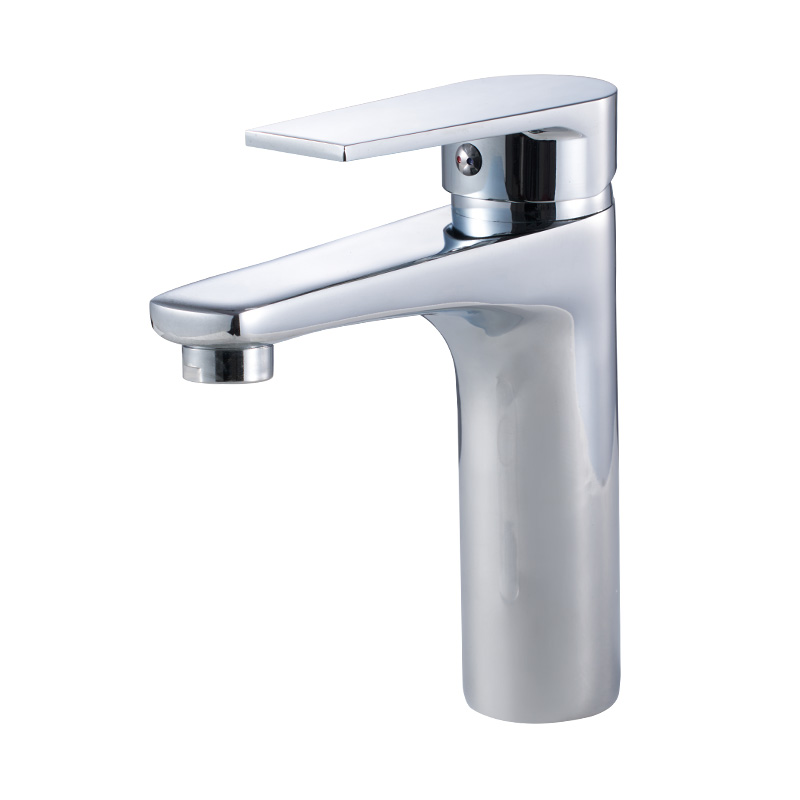
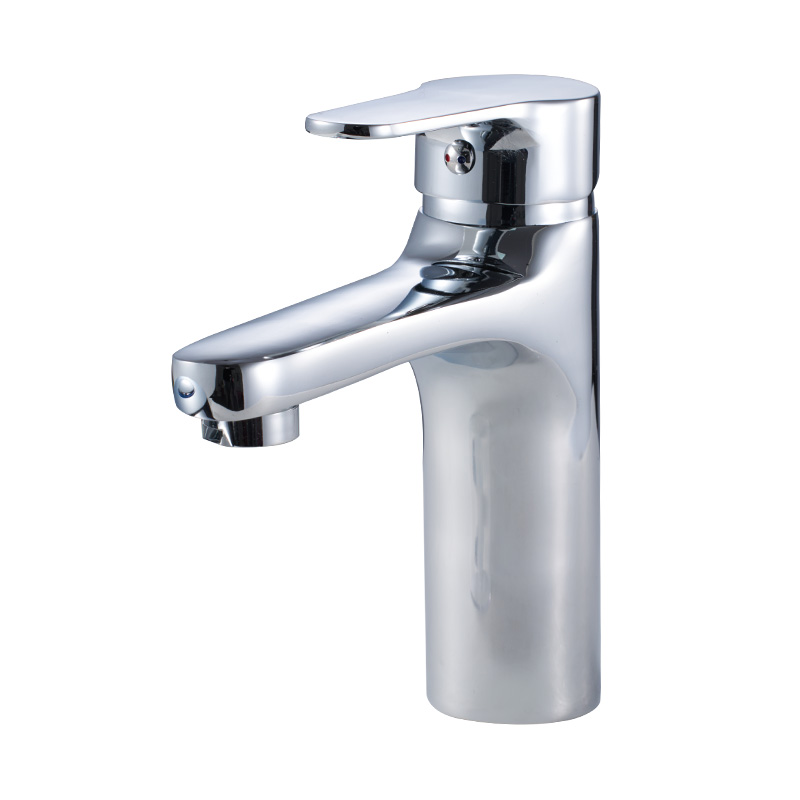
The modern basin mixer faucet is no longer viewed as a simple utilitarian item. Consumers and specifiers increasingly seek products that combine reliable performance with aesthetic appeal and sustainable credentials. This shift in demand directly impacts operations at a basin mixer faucet factory. Production lines are becoming more adaptable, capable of handling a wider variety of finishes—from classic chrome to matte black and brushed brass—without significant downtime. This flexibility is crucial for a basin mixer faucet factory aiming to cater to diverse international design trends and localized preferences.
Material innovation is a primary focus. pilot factories are investing in advanced metallurgy and casting techniques to ensure durability and longevity. The use of high-grade brass or stainless steel cores with precision-machined ceramic cartridges has become standard for quality, preventing leaks and ensuring smooth handle operation over years of use. Furthermore, a progressive basin mixer faucet factory is increasingly mindful of water conservation. Many now specialize in integrating aerators and flow restrictors that meet stringent international water efficiency standards without compromising user experience, a key selling point in many markets.
Behind the scenes, technological upgrades are reshaping the basin mixer faucet factory floor. Automation plays a growing role in processes like polishing, plating, and quality control. Robotic arms can ensure consistent application of finishes, while computerized testing stations rigorously check every unit for pressure tolerance and leak prevention. This reliance on technology enhances consistency, a critical factor when a single basin mixer faucet factory may produce thousands of units weekly. It also allows human technicians to focus on more complex assembly stages and final inspection, ensuring that each product meets defined specifications.
Sustainability pressures are also influencing factory operations. Forward-thinking facilities are implementing water recycling systems within their plating and rinsing processes and seeking ways to reduce overall energy consumption. The packaging sourced and used by a basin mixer faucet factory is also under review, with a move toward recycled and smallist materials to reduce waste. These environmental considerations are becoming integral to the operational ethos of modern manufacturing sites, often driven by both regulation and customer demand for responsibly made products.
The global supply chain remains a complex consideration for every basin mixer faucet factory. Managing the procurement of raw materials like copper, zinc, and finishing components requires sophisticated logistics planning. Recent challenges in global trade have underscored the importance of resilient supply networks and, in some cases, strategic stockpiling of key inventories to ensure steady production flow.
The contemporary basin mixer faucet factory is a hub of quiet sophistication, balancing scale with customization and tradition with innovation. The drive is no longer merely about volume but about producing a reliable, water-efficient, and design-conscious product that stands the test of time in homes and businesses worldwide. The evolution of these factories mirrors the elevated status of the humble basin mixer faucet itself, from a simple fixture to a carefully engineered element of daily life.



 English
 русский
 عربى
عربى

 Privacy
